Green Gourmet: The Art Of Vegan Cooking

Executive Summary
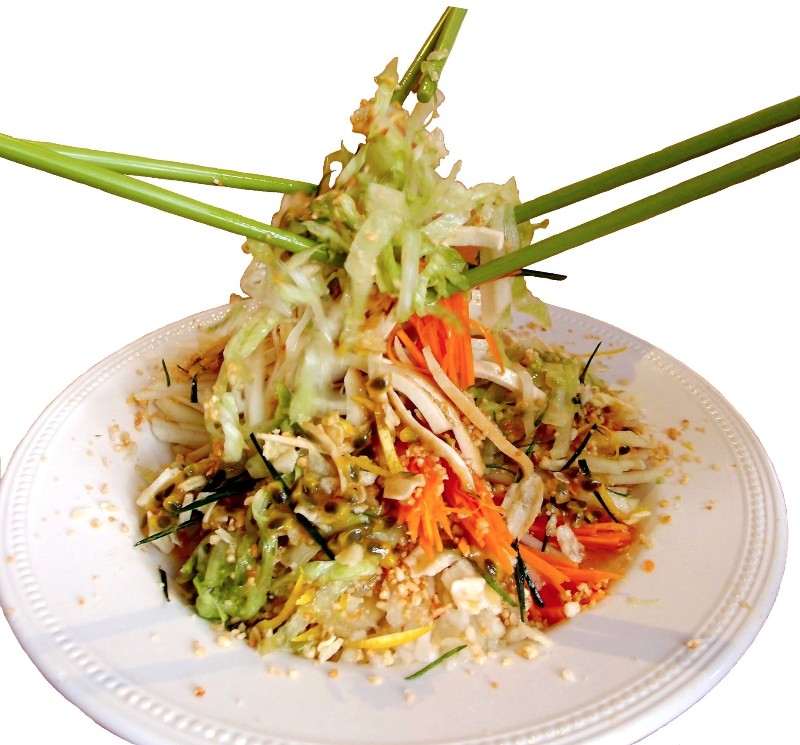
This comprehensive guide delves into the vibrant world of vegan cooking, empowering readers to master the art of creating delectable plant-based dishes. Through practical tips, expert insights, and a thorough exploration of key ingredients and techniques, this article equips readers with the knowledge and skills to unlock a world of culinary possibilities in vegan cuisine.

Introduction
Vegan cooking, once perceived as a restrictive diet, has evolved into a vibrant and flavorful culinary art. By embracing plant-based ingredients, vegan chefs have reimagined classic dishes and created innovative new creations that tantalize the taste buds and nourish the body. Whether you’re a seasoned vegan or a curious newcomer, this guide provides a comprehensive resource to guide you on your journey to creating exceptional vegan meals.
FAQs
1. What are the key principles of vegan cooking?
- Emphasizing plant-based ingredients such as fruits, vegetables, legumes, grains, and nuts.
- Excluding all animal products, including meat, dairy, eggs, and honey.
- Paying attention to nutrient balance to ensure adequate intake of protein, iron, calcium, and vitamin B12.
2. How do I make vegan cooking flavorful without using meat?
- Experiment with diverse spices, herbs, and seasonings.
- Utilize flavorful vegetables like onions, garlic, mushrooms, and bell peppers.
- Explore plant-based alternatives to cheese, such as nutritional yeast or vegan cheeses made from nuts.
3. Is vegan cooking more expensive than traditional cooking?
- With careful planning and by opting for seasonal and affordable produce, vegan cooking can be budget-friendly.
- Consider buying dried beans and lentils in bulk, which are both nutritious and cost-effective.
- Explore local farmers’ markets for fresh, seasonal produce at reasonable prices.
Subtopics
1. Essential Plant-Based Ingredients
- Fruits and Vegetables: Provide vitamins, minerals, antioxidants, and fiber.
- Legumes: Rich in protein, fiber, and iron. Examples include lentils, beans, and chickpeas.
- Grains: Whole grains provide essential carbohydrates, fiber, and vitamins. Examples include quinoa, brown rice, and oats.
- Nuts and Seeds: Excellent sources of protein, healthy fats, and fiber. Examples include almonds, walnuts, and chia seeds.
- Plant-Based Milks: Versatile substitutes for dairy milk, used in smoothies, sauces, and baked goods. Examples include almond milk, oat milk, and soy milk.
2. Vegan Cooking Techniques
- Roasting: Enhances the flavor of vegetables and adds a crispy texture.
- Sautéing: A quick and easy technique for cooking vegetables and tofu.
- Stir-Frying: A popular Asian cooking method that uses high heat to quickly cook ingredients while retaining nutrients.
- Baking: Essential for creating vegan pastries, breads, and desserts.
- Blending: Used to make smoothies, sauces, and soups.
3. Vegan Meat and Dairy Alternatives
- Tofu: A versatile plant-based protein made from soybeans, available in different textures.
- Tempeh: A fermented soybean product with a chewy texture and earthy flavor.
- Seitan: A wheat-based meat alternative with a firm texture, often used in stir-fries and sandwiches.
- Vegan Cheese: Made from nuts, seeds, or soy, providing a plant-based alternative to dairy cheese.
- Plant-Based Yogurt: Made from soy, almond, or coconut milk, offering a dairy-free option for breakfast, snacks, and desserts.
4. Flavorful Spice Blends for Vegan Cooking
- Curry Powder: A blend of turmeric, cumin, coriander, and other spices, commonly used in Indian cuisine.
- Garam Masala: A warm and aromatic spice blend from India, featuring cardamom, cinnamon, cloves, and nutmeg.
- Italian Herb Blend: A combination of basil, oregano, thyme, and rosemary, perfect for pasta dishes and bread.
- Mexican Spice Blend: A vibrant blend of chili powder, cumin, paprika, and oregano, used in tacos, burritos, and enchiladas.
- Thai Green Curry Paste: A flavorful blend of green chilies, lemongrass, galangal, and coriander, used as a base for Thai green curry dishes.
5. Tips for Creating Balanced Vegan Meals
- Focus on nutrient-rich ingredients: Include plenty of fruits, vegetables, legumes, and whole grains.
- Incorporate protein sources: Include tofu, tempeh, seitan, beans, or lentils in every meal.
- Ensure calcium intake: Fortified plant-based milk, leafy green vegetables, and tofu are good sources of calcium.
- Supplement with B12: Vitamin B12 is not naturally found in plant foods, so supplementation or fortified foods are necessary.
- Consider consulting a registered dietitian: A dietitian can provide personalized guidance to ensure optimal nutrition on a vegan diet.
Conclusion
Vegan cooking is not simply about abstaining from animal products; it’s about embracing a world of culinary possibilities that nourish the body and delight the palate. By understanding the principles of vegan cooking, mastering essential techniques, and experimenting with flavorful ingredients, you can transform your meals into culinary masterpieces that satisfy your taste buds and support your well-being. So, embark on this culinary adventure, embrace the vibrant world of vegan cuisine, and let your creativity shine in the kitchen.
Keyword Tags
- Vegan Cooking
- Plant-Based Diet
- Vegan Ingredients
- Vegan Cooking Techniques
- Vegan Meals